


Dining Room Furniture
Collections
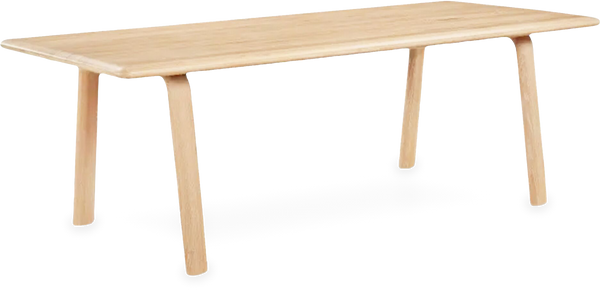
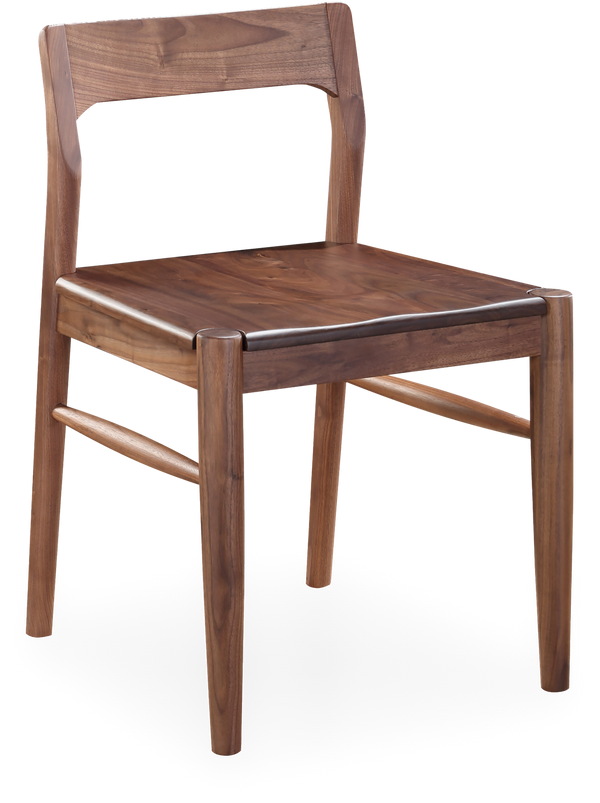
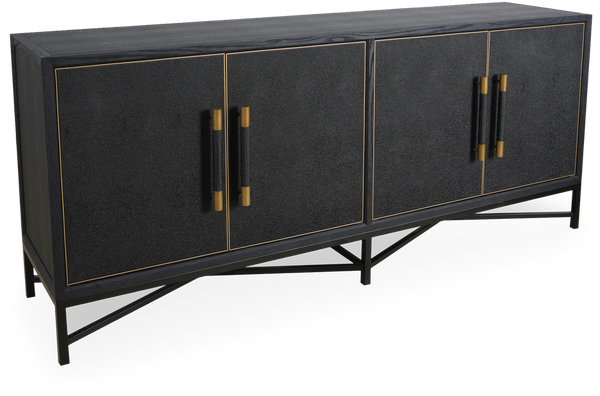
Products


How to Choose Dining Room Furniture
A dining room often starts with the table, but the dining chairs should get just as much consideration. The table may fit comfortably in the room until everyone pulls a chair back. Measure the two together, along with the space needed to walk around them.
A dining room set is one way to make the decision easy, but a table and chairs with different materials or forms can make the room more interesting, provided they work at the same scale and the chairs fit properly beneath the table.
The rest of the room tends to follow from there. A sideboard might sit along the longest open wall, holding the things that do not belong on the table every day. A rug can define the dining area. Benches and bar carts often find their place once the main arrangement is established.
Leave 30 inches for a walkway and 36 inches behind a chair where someone needs to pass. Allow about 24 inches of table width for each person. These are simple measurements, but they explain why a dining room can look generously sized and still feel cramped once it is being used.
Start with dining tables and the dining chairs that sit around them, add a sideboard where the room needs storage or a serving surface, and use counter and bar stools at a counter or bar-height surface.
What size dining table fits a room?
Measure the room with the chairs in mind, not the table alone. Leave 30 inches for a walkway around the dining area, and 36 inches behind chairs where people need to pass. The space left inside those clearances is the space available for the table.
A standard dining table is 30 inches high. Its length and width depend on the room and the number of people expected to sit there. Check the dimensions with chairs pulled back before settling on a size.
How many chairs fit at a dining table?
Allow about 24 inches of table width for each person. That gives each place setting enough room and keeps the chairs from sitting shoulder to shoulder. Seating six means about 144 inches of usable edge in total, counted around the whole table rather than along one side.
The table base can change the arrangement. A pedestal leaves the corners open, while other bases may limit where a chair can sit. Look underneath the table before deciding how many chairs belong around it.
How much clearance does a dining chair need?
Leave 36 inches behind a dining chair where someone needs to walk past. That accounts for the chair when it is pulled back and leaves enough room to move through the space without asking someone to slide their chair in.
Thirty inches can work where there is no through traffic. Measure from the chair in its pulled-out position, because the depth of the chair matters as much as the distance from the table to the wall.
Counter height or bar height?
Counter height is 36 inches, and bar height is 42 inches. Match the stool to the surface, since a stool that works at one height will sit awkwardly at the other.
Measure the finished surface before choosing. Countertops with a thick slab or an added surface can change the final height enough to matter when deciding how much room is left between the seat and the counter.
Do dining chairs have to match the table?
No. A dining room can feel more personal when the table and chairs were chosen as separate pieces. Wood and upholstery work well together, and a lighter chair can change the feel of a substantial table without making the arrangement seem disconnected.
Look for a relationship somewhere between the pieces. It might be the tone of the wood, the scale of the forms, or simply the way the chair sits beneath the table. Exact matches are not required for the room to hold together.
What size rug goes under a dining table?
The rug needs to stay beneath the chairs when they are pulled back. Measure the table, then add enough space around it for the chairs to move without catching on the edge.
A rug that follows the shape of the table often makes sense, although the room itself may suggest something different. Check nearby doors and walkways before deciding on the final size.
What does a sideboard do in a dining room?
A sideboard keeps dishes, glassware, linens, and serving pieces close to the table without storing everything in the kitchen. The top also becomes useful when food is being served or the table is already full.
Place it on a wall where the doors or drawers can open freely. Its depth deserves some attention in a smaller dining room, particularly when chairs or a walkway sit directly opposite it.