


Living Room Furniture
Collections
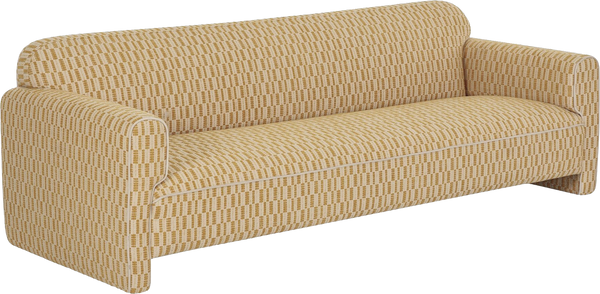
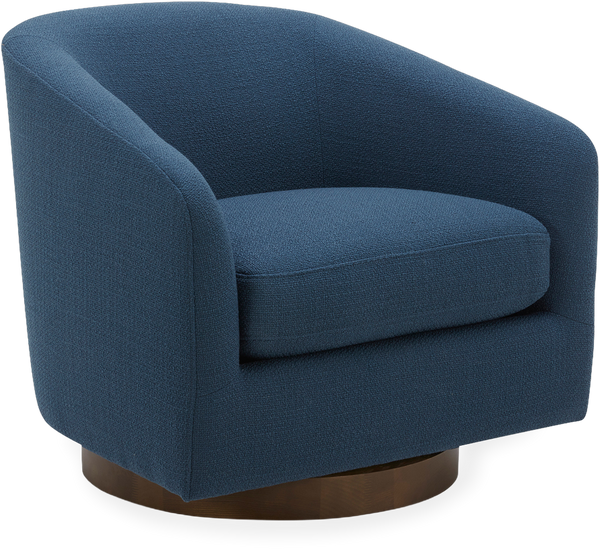
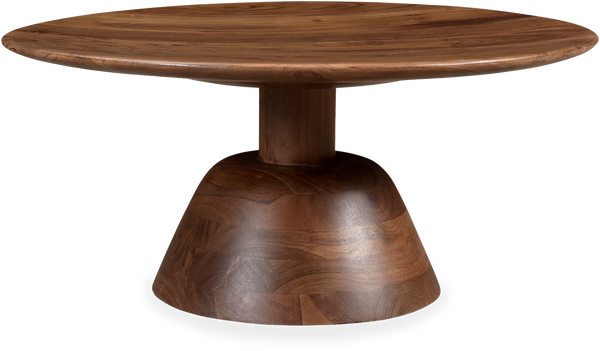
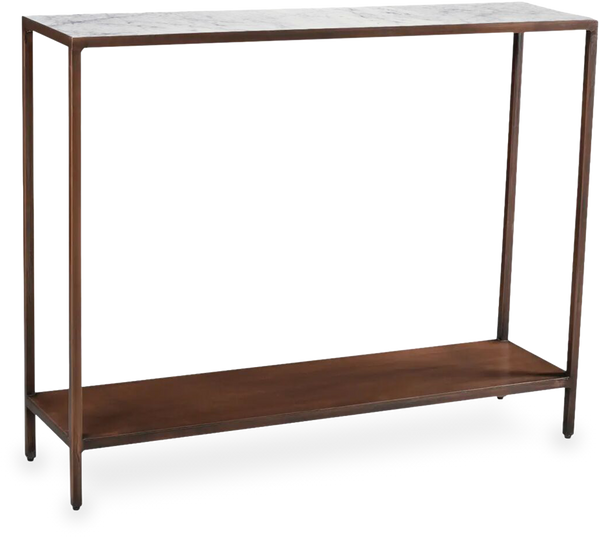
Products


How to Choose Living Room Furniture
A living room is built around the seating first. A sofa or sectional establishes the longest line in the room, then accent chairs, chaises, ottomans, and tables fill in around it. Modern living room furniture tends to work best when the larger pieces have enough room to be seen individually, with clear paths between them and a useful surface within reach of each seat.
Living room furniture sets can make sense when the room needs a coordinated starting point, but matching every piece is rarely necessary. A sofa can share a room with chairs of another shape, wood tables with upholstered seating, and storage that serves the architecture rather than the seating. Repeated materials or proportions usually create more order than identical furniture.
Scale matters before style. Measure the wall available to a sofa, the depth of the room, door swings, radiators, and the routes used to enter and leave. In a small living room, fewer pieces with a clear purpose often leave more usable space than compact furniture placed everywhere a gap appears. Apartment living room furniture needs the same planning, with circulation carrying even more weight.
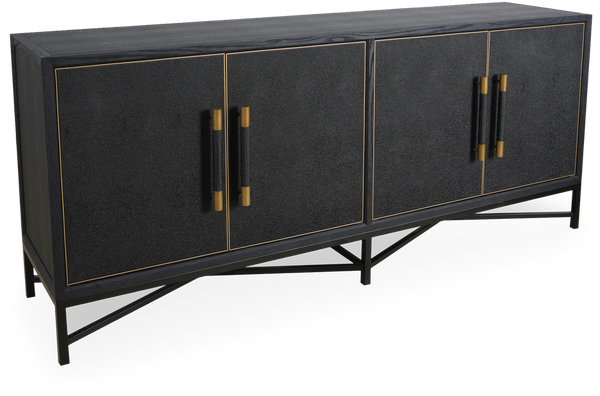
A living room layout also depends on what happens there. Conversation calls for seats that can face one another. A television changes the main orientation. Reading benefits from a chair and a table close enough to hold a lamp and a book. Storage may belong in a sideboard or console table, while a media console keeps the screen from becoming the only object the room is organized around.
Start with sofas and sectionals, then add accent chairs or chaises where the seating arrangement needs another place to sit. Ottomans can extend seating or stand in for a table, while coffee tables and side tables provide the working surfaces. Finish the room with console tables, sideboards, and media consoles where storage or a longer horizontal line is needed.
How much seating does a living room need?
Count the people who use the room at the same time, then add seating for the way the room is actually used. A formal conversation room may need every seat to face inward. A family room can spread seating farther apart if some of it is used for reading, watching television, or resting.
Leave enough space around the arrangement for people to move without asking someone to stand up. One generous sofa and two chairs can seat a room more comfortably than several small pieces packed against the walls.
What size coffee table goes with a sofa?
Choose a coffee table that relates to the sofa without running its full length. A common guide is roughly two-thirds the length of the sofa, although a shorter table can work when chairs or a chaise interrupt the arrangement. The height should sit near the seat cushion, usually within a few inches.
Consider the table's shape as well as its dimensions. A round or oval coffee table can open a tight circulation path, while a rectangular table often suits a longer seating arrangement.
How far should a coffee table sit from the sofa?
Leave about 14 to 18 inches between the edge of the coffee table and the sofa. That distance allows room to pass while keeping drinks and other items within easy reach. Move slightly closer in a compact room only when the circulation path remains clear.
Keep the same principle in mind around chairs and ottomans. The table should serve the seating rather than become an obstacle.
Sectional or sofa and chairs?
Choose a sectional when one continuous seating arrangement suits the room and the available wall space can support its footprint. It can define an open-plan living area and provide substantial seating without scattering separate pieces around the room.
A sofa and chairs offer more flexibility. Chairs can turn toward conversation, a window, or a television, and they are easier to reposition as the room changes. The better choice depends on the living room layout and how fixed the seating arrangement needs to be.
What size rug goes under a living room set?
Use a rug large enough to connect the main seating group. In many rooms, the front legs of the sofa and chairs should sit on the rug, leaving a visible border around the arrangement. A smaller rug can work when the room itself is small, but it should still reach beneath the furniture rather than float in the center.
Measure the seating layout before choosing the rug. Start with the dimensions of the arrangement, then check that the rug does not crowd walls, doorways, or a fireplace hearth.
How do you lay out a living room with a TV?
Place the television where viewing feels natural from the main seats, then arrange the rest of the room around both the screen and conversation. A sofa may face the television directly, while accent chairs can sit at an angle to keep the arrangement from becoming a row of seats aimed at one wall.
Avoid pushing every piece against the perimeter when the room is large enough to float the seating. A media console can anchor the television wall, with a coffee table and side tables keeping the seating group functional.
How do you furnish a small living room?
Begin with the largest necessary piece and protect the paths around it. Measure before choosing a sofa, sectional, or coffee table, because a few inches of depth can change how easily the room works. Small space furniture benefits from pieces that perform more than one job, including ottomans that provide an extra seat or surface.
Keep the layout deliberate rather than sparse for its own sake. One sofa, an accent chair, a side table, and a rug can make a complete room when each piece has enough space around it.